How to Seal Concrete Floors to Prevent Moisture and Mold in Victorville
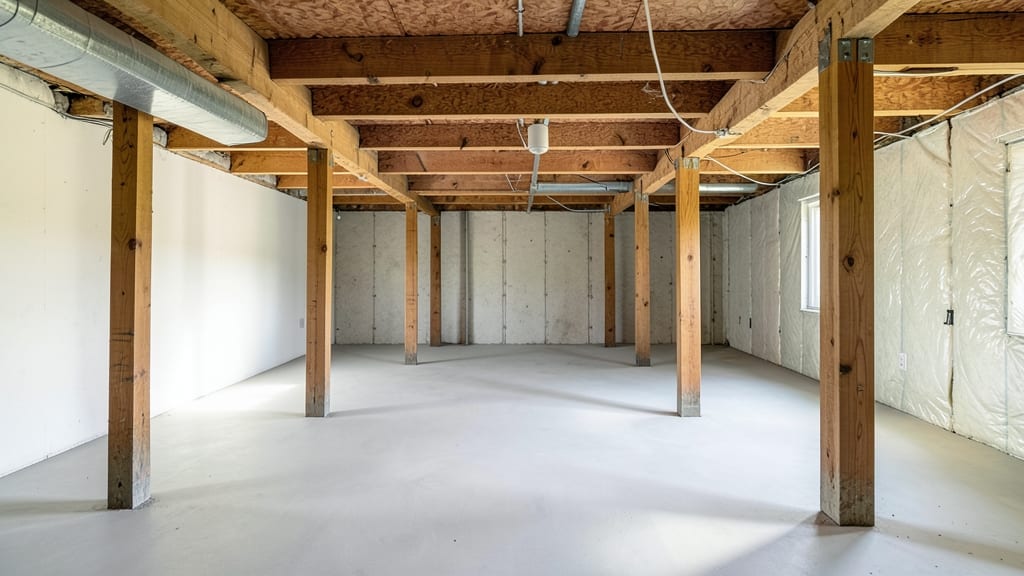
Victorville’s high desert climate brings dramatic temperature swings and low humidity, but concrete slabs can still wick ground moisture upward—creating ideal conditions for mold. Properly sealing concrete floors stops vapor intrusion, safeguards indoor air, and extends the slab’s lifespan.
Why Concrete Floors in Victorville Need Moisture Sealing
Concrete is porous by nature, allowing water vapor to rise from the soil beneath a slab. In Victorville, seasonal rains and irrigation can saturate the ground, pushing moisture through unsealed concrete.
This vapor increases indoor humidity, feeding mold on baseboards, drywall, and stored items. It can also cause efflorescence—a white, powdery mineral deposit on the surface.
Signs Your Concrete Floor Has a Moisture Problem
Visible mold or mildew along floor edges or under carpeting signals excess moisture. Musty odors often accompany hidden growth in subflooring or wall cavities.
Peeling paint, warped vinyl flooring, or condensation on the slab are other red flags. A moisture meter can confirm high levels before sealing.
Common Moisture Indicators
- White mineral deposits (efflorescence) on the surface
- Musty smells persisting after cleaning
- Cupping or buckling of hardwood or laminate flooring
- Condensation beads on the concrete when temperatures drop
Types of Concrete Sealers for Mold Prevention
Penetrating sealers, like silane or siloxane, soak into the concrete to repel water without changing the surface appearance. They’re ideal for basements and garages where a natural look is desired.
Topical sealers—epoxy, urethane, or acrylic—form a protective film. Epoxy offers the strongest moisture barrier but can yellow under UV exposure, making it better for interior use.
| Sealer Type | Moisture Resistance | Durability | Best For |
|---|---|---|---|
| Penetrating (Silane/Siloxane) | High | 5-10 years | Basements, garages, outdoor slabs |
| Epoxy | Very High | 3-5 years | Interior floors, high-traffic areas |
| Urethane | High | 5-7 years | Areas with UV exposure, driveways |
| Acrylic | Moderate | 1-3 years | Low-traffic interiors, budget-friendly |
Preparing Concrete for Sealing in High-Desert Conditions
The slab must be clean, dry, and free of existing sealers or coatings. In Victorville, spring and fall offer the most stable temperatures for application, avoiding extreme heat or cold.
Etching the surface with muriatic acid or a mechanical grinder opens pores for better sealer adhesion. Test for moisture using a plastic sheet test or a moisture meter; levels above 4-5% require mitigation first.
Sealing over damp concrete traps moisture, leading to delamination or mold growth beneath the sealer. Always confirm dryness with a moisture test.
Step-by-Step Sealing Process for Lasting Protection
Application methods vary by sealer type, but most require a primer for porous or new concrete. Use a roller or sprayer for even coverage, working in small sections to avoid lap marks.
Two thin coats typically outperform one thick coat. Allow the first coat to cure per manufacturer guidelines—often 4-24 hours—before applying the second.
Maintenance and Long-Term Mold Prevention
Reapply sealer every 3-5 years, or sooner if water no longer beads on the surface. In areas like crawl spaces or basements, pair sealing with a vapor barrier under the slab for added protection.
Monitor indoor humidity with a hygrometer, aiming for 30-50%. Dehumidifiers or improved ventilation can address lingering moisture issues.
For slabs in Hesperia or Apple Valley with high water tables, consider a dimple board drainage mat beneath the vapor barrier during new construction.
When to Call a Professional for Concrete Moisture Issues
If moisture levels remain high after sealing, or if mold persists, the issue may stem from poor grading, missing gutters, or a rising water table. Crews in the area typically use sub-slab depressurization or interior French drains for these cases.
For large commercial spaces, warehouses, or schools in Victorville, professional-grade epoxy or polyaspartic coatings provide industrial-strength moisture barriers.
How to Test Concrete Moisture Before Sealing
Accurate moisture testing prevents sealing failures and mold growth.
- 1Plastic Sheet Test
Tape a 2x2 ft plastic sheet to the slab and wait 24 hours. Condensation underneath indicates excess moisture.
- 2Moisture Meter Reading
Use a pin or pinless meter to measure moisture content. Readings above 4-5% for most sealers require drying or mitigation.
- 3Calcium Chloride Test
Place a calcium chloride test kit on the slab for 60-72 hours. Weigh the container before and after to determine moisture emission rates.
- 4pH Test
Test the slab’s pH with a surface kit. High alkalinity (pH > 10) can interfere with sealer adhesion; etching may be needed.
- 5Visual Inspection
Check for efflorescence, dark spots, or peeling coatings. Address these issues before sealing.
Frequently Asked Questions
Can I seal a concrete floor with existing mold?
No. Mold must be remediated first using HEPA vacuuming, antimicrobial cleaners, or professional abatement. Sealing over mold traps spores, worsening indoor air quality.
How long does concrete need to cure before sealing in Victorville’s climate?
New concrete typically requires 28 days to cure. In Victorville’s dry heat, curing may accelerate, but moisture tests should still confirm readiness before sealing.
What’s the best sealer for a garage floor in Victorville?
Urethane or epoxy sealers resist oil stains and UV exposure, making them ideal for garages. Penetrating sealers work well for driveways or outdoor slabs.
Does sealing concrete prevent all mold growth?
Sealing blocks moisture from below, but mold can still grow if humidity from leaks, spills, or poor ventilation isn’t controlled. Combine sealing with dehumidifiers or ventilation.
Are there eco-friendly concrete sealers for mold prevention?
Yes. Water-based acrylic or silane/siloxane sealers have low VOCs and are less toxic. Some plant-based or bio-based sealers are also available for environmentally conscious projects.
How do I know if my Victorville home needs a vapor barrier under the slab?
Homes built on expansive clay soils or in areas with high water tables—common in parts of the High Desert—often benefit from a vapor barrier. A soil test or consultation with a local waterproofing expert can confirm the need.