How Proper Ventilation Prevents Mold Growth in Victorville Homes
Victorville’s High Desert climate swings from bone-dry heat to sudden moisture spikes, creating ideal conditions for mold if airflow is poor. Proper ventilation disrupts the humidity and stagnation that fuel spores, but many homes in the area lack the right systems or maintenance to keep mold at bay.
Why Ventilation Matters in Mold Prevention
Mold thrives in stagnant, humid air where spores can settle and colonize surfaces. Without consistent airflow, moisture lingers in walls, ceilings, and hidden spaces like crawl spaces or attics.
Victorville’s low humidity outdoors can mask indoor issues—leaks, poor sealing, or daily activities (cooking, showering) introduce moisture that gets trapped without proper ventilation.
Common Ventilation Gaps in High Desert Homes
Older homes in Hesperia, Apple Valley, or Adelanto often rely on passive ventilation, which fails in tightly sealed modern builds. Bathrooms without exhaust fans or kitchens lacking range hoods are prime mold incubators.
Attics and crawl spaces in Victorville frequently lack soffit vents or ridge vents, leading to condensation buildup. Poorly vented HVAC systems can also spread spores rather than remove them.
Even in dry climates, unvented spaces can trap moisture from plumbing leaks or ground seepage. A Mold Inspection can uncover these issues before they escalate.
Types of Ventilation for Mold Control
Natural ventilation (windows, vents) works in mild conditions but is unreliable in Victorville’s extremes. Mechanical systems like exhaust fans, HRVs (Heat Recovery Ventilators), or ERVs (Energy Recovery Ventilators) provide consistent airflow.
Spot ventilation targets high-moisture areas: bathroom exhaust fans, kitchen range hoods, and laundry room vents. Whole-house systems ensure air exchange throughout the home.
| System Type | Best For | Limitations |
|---|---|---|
| Natural Ventilation | Mild climates, passive airflow | Inconsistent, ineffective in sealed homes |
| Exhaust Fans | Bathrooms, kitchens, laundry rooms | Limited to spot treatment, requires maintenance |
| HRV/ERV Systems | Whole-house air exchange, energy efficiency | Higher upfront cost, professional installation needed |
| Attic/Crawl Space Vents | Preventing condensation in hidden spaces | Can introduce dust or pests if not screened |
Targeting High-Risk Areas in Victorville Homes
Bathrooms and kitchens generate the most indoor humidity. Exhaust fans rated for the room’s square footage (measured in CFM) should run for 20–30 minutes after use to fully clear moisture.
Attics in Oak Hills or Phelan often suffer from poor airflow. Ridge vents paired with soffit vents create a passive system to expel hot, moist air. Crawl spaces may need vapor barriers and active dehumidifiers.
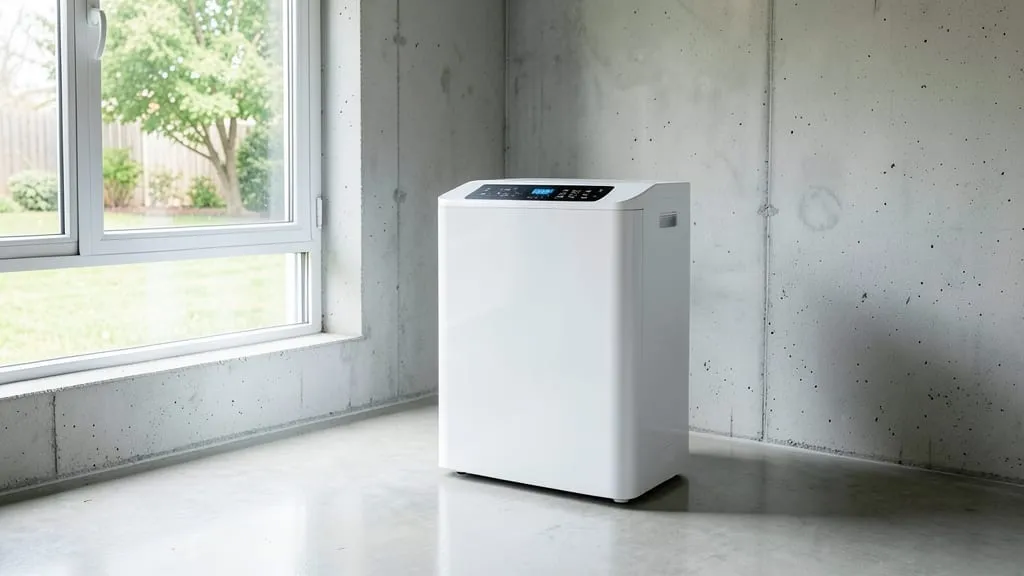
In basements or garages, place dehumidifiers near moisture sources but away from walls to allow air circulation. Empty tanks regularly to prevent stagnation.
HVAC Systems and Mold: A Double-Edged Sword
A well-maintained HVAC system can reduce mold risk by circulating and filtering air. However, dirty ducts or coils can harbor mold, spreading spores when the system runs.
In Victorville, where AC units work overtime, condensation in ductwork or around coils is a common issue. Regular filter changes and duct inspections are critical.
Signs Your Home Needs Better Ventilation
Visible mold on walls, ceilings, or around windows is a clear red flag. Musty odors, especially in basements or closets, indicate trapped moisture. Peeling paint or wallpaper can also signal humidity problems.
Condensation on windows or metal surfaces (like pipes in a garage) suggests poor airflow. In newer homes, excessive dust buildup may mean the HVAC system isn’t circulating air effectively.
Mold-Related Ventilation Red Flags
- Persistent musty odors in specific rooms
- Condensation on windows or walls
- Mold growth in bathrooms, kitchens, or laundry areas
- Peeling paint or bubbling wallpaper
- Allergy symptoms that improve when away from home
Climate-Specific Tips for Victorville and Surrounding Areas
The High Desert’s temperature swings can create condensation in attics or crawl spaces overnight. Insulation and vapor barriers help, but ventilation is key to preventing moisture buildup.
During monsoon season, even Victorville can see sudden humidity spikes. Running dehumidifiers and ensuring exhaust fans are operational can mitigate risk. In winter, heating systems dry out air, but poor ventilation can still trap moisture in cold spots.
When to Call a Professional for Mold Remediation
If mold covers more than 10 square feet, or if it’s in HVAC systems, crawl spaces, or attics, professional remediation is necessary. DIY cleaning can disturb spores and worsen the problem.
A Mold Inspection or Air Quality Testing can identify hidden mold and moisture sources. For homes in Barstow, Mountain View Acres, or Spring Valley Lake, local crews typically use containment barriers and HEPA filtration during remediation.
How to Improve Ventilation and Reduce Mold Risk
Follow these steps to enhance airflow and lower humidity in your home.
- 1Install Exhaust Fans in High-Moisture Areas
Ensure bathrooms, kitchens, and laundry rooms have properly sized exhaust fans. Vent them outside, not into attics or crawl spaces.
- 2Upgrade Attic and Crawl Space Ventilation
Add soffit and ridge vents for attics. For crawl spaces, consider a vapor barrier and a small dehumidifier if needed.
- 3Use Dehumidifiers Strategically
Place dehumidifiers in basements, garages, or any room prone to dampness. Aim for 30–50% indoor humidity.
- 4Maintain Your HVAC System
Change filters every 1–3 months and have ducts inspected annually. Clean coils and drain pans to prevent mold growth.
- 5Seal Leaks and Insulate Properly
Check for plumbing leaks, roof leaks, or gaps in windows and doors. Insulate pipes to prevent condensation, but avoid trapping moisture.
- 6Monitor and Address Condensation
Wipe down windows, pipes, and other surfaces where condensation forms. Use moisture absorbers in closets or storage areas.
Frequently Asked Questions
Can opening windows prevent mold in Victorville?
Opening windows helps in mild weather but isn’t reliable year-round. Victorville’s heat and dust can make this impractical. Mechanical ventilation is more effective for consistent airflow.
How do I know if my attic ventilation is adequate?
Check for moisture stains on the underside of the roof or musty odors. If the attic feels stuffy or hot, it likely needs better ventilation. A professional can assess soffit and ridge vent placement.
Are dehumidifiers necessary in a dry climate like Victorville?
Yes, even in dry climates, indoor activities can create localized humidity. Dehumidifiers are especially useful in basements, crawl spaces, or after water damage in areas like Adelanto or Oak Hills.
What’s the difference between Mold Inspection and Mold Testing?
A Mold Inspection visually assesses for mold and moisture sources. Mold Testing involves air or surface samples analyzed in a lab to identify spore types and concentrations. Both are useful for different stages of detection.
Can poor ventilation cause health issues?
Yes, trapped mold spores and high humidity can trigger allergies, respiratory issues, and asthma. Proper ventilation reduces these risks by improving indoor air quality.
Does ventilation help with existing mold?
Ventilation alone won’t remove mold but can prevent further growth by reducing moisture. Existing mold requires remediation—ventilation helps keep it from returning after cleanup.