How Mold Spores Spread and How to Stop Them in Victorville Homes
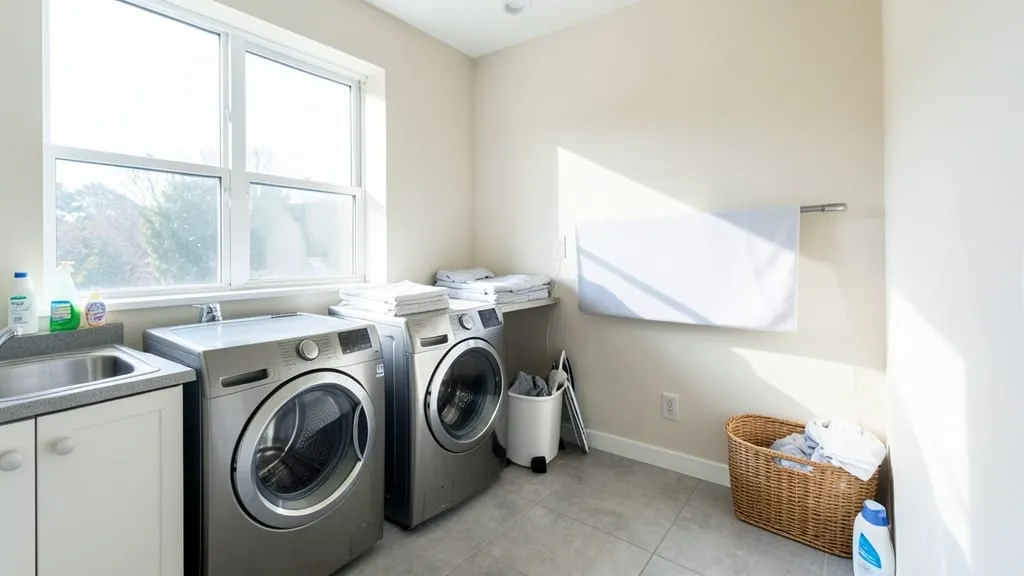
Mold spores are microscopic, resilient, and everywhere—indoors and out. In Victorville’s dry climate, they lie dormant until moisture from leaks, condensation, or poor ventilation wakes them up. Understanding their movement is the first step to keeping them from taking root in walls, ducts, or hidden corners.
The Nature of Mold Spores and How They Travel
Mold spores are reproductive cells released by fungi, light enough to float through the air like pollen. A single mold colony can release thousands, which drift on air currents, hitch rides on dust, or cling to clothing, pets, and footwear.
In Victorville, windy conditions can carry spores from outside directly into homes through open windows, doors, or gaps in siding. Once indoors, HVAC systems can distribute them room to room if filters aren’t rated to capture fine particulates.
Common Entry Points for Spores in Local Homes
Poorly sealed windows and doors are obvious entryways, but spores also sneak in through vents, exhaust fans, and even tiny cracks in the foundation. Older homes in areas like Hesperia or Apple Valley may have more gaps due to settling or wear.
Attics and crawl spaces are high-risk zones. Insufficient ventilation traps moisture, while leaks from roofs or plumbing create the perfect breeding ground. Spores that land here can multiply rapidly, spreading upward or downward through structural materials.
Spores thrive in dark, damp areas like behind drywall, under carpet padding, or inside ductwork. Even a small, unseen leak can fuel growth for weeks before it’s detected.
How Spores Move Through a House Once Inside
Airflow is the primary transporter. Everyday activities—walking, vacuuming, or running the furnace—can stir up settled spores, sending them airborne again. In homes with central air, spores can travel through ductwork and emerge in rooms far from their origin.
They also spread via direct contact. Touching a moldy surface, then another area, transfers spores. Water damage in one room can lead to contamination in adjacent spaces as moisture wicks through porous materials like drywall or insulation.
Victorville’s Climate: Why Spores Can Still Thrive
The High Desert’s arid air might seem inhospitable, but mold only needs 24–48 hours of moisture to start growing. Seasonal temperature swings in areas like Oak Hills or Spring Valley Lake can create condensation on windows, pipes, or inside walls.
Poorly maintained swamp coolers or evaporative coolers, common in the region, can also introduce excess humidity. Even minor plumbing leaks in bathrooms or laundry rooms provide enough water for spores to germinate.
| Source | Risk Level | Common Locations |
|---|---|---|
| Plumbing leaks | High | Bathrooms, kitchens, laundry rooms |
| Roof leaks | High | Attics, ceiling corners |
| Condensation | Moderate | Windows, metal pipes, ducts |
| Poor ventilation | Moderate | Bathrooms, crawl spaces |
| Flooding or sewer backups | Severe | Basements, garages |
| High humidity from coolers | Moderate | Living areas, bedrooms |
Materials That Help Spores Take Hold
Porous materials are spore magnets. Drywall, ceiling tiles, carpet, and insulation absorb moisture and provide organic matter for mold to feed on. In Victorville, wood framing in older homes or particleboard subflooring can also support growth if damp.
Non-porous surfaces like glass, metal, or tile don’t support mold directly but can host spores that later spread to nearby organic materials. Grout lines in bathrooms or kitchens are especially vulnerable due to their porosity.
In high-moisture areas, consider moisture-resistant drywall (green board), sealed concrete, or closed-cell foam insulation to limit spore colonization.
Signs Spores Are Already Spreading
Visible mold is the most obvious sign, but spores can be active long before patches appear. Musty odors, especially in basements or crawl spaces, often indicate hidden growth. Allergic reactions like sneezing, itchy eyes, or respiratory irritation can also signal spore presence.
Water stains on walls or ceilings, peeling paint, or warped flooring suggest past or ongoing moisture issues. In HVAC systems, reduced airflow or strange smells from vents may point to mold in ductwork.
How to Test for Spores and Growth
Surface testing involves swabbing or tape-lifting samples from suspicious areas, while air testing captures spores suspended in the air. Both methods require lab analysis to identify types and concentrations.
DIY test kits are available, but professional mold testing in Victorville often includes thermal imaging to detect hidden moisture. Air quality testing can also reveal spore counts compared to outdoor baselines.
When to Consider Professional Testing
- Visible mold covers more than 10 square feet
- Odors persist after cleaning or ventilation improvements
- Occupants experience unexplained health symptoms
- Recent water damage or flooding occurred
- Real estate transactions require clearance
How to Stop Mold Spores from Spreading in Your Home
Controlling moisture and limiting spore movement are key to prevention.
- 1Fix Moisture Sources Immediately
Repair leaks in roofs, pipes, or windows. Use dehumidifiers in damp areas like crawl spaces or basements. Aim to keep indoor humidity below 50%.
- 2Improve Ventilation
Install exhaust fans in bathrooms and kitchens. Ensure attics and crawl spaces have proper airflow. Open windows when outdoor humidity is low.
- 3Clean and Dry Affected Areas
For small patches, scrub non-porous surfaces with detergent and water, then dry thoroughly. Porous materials like drywall or carpet may need removal if moldy. Always wear protective gear.
- 4Use HEPA Filtration
Upgrade HVAC filters to HEPA or MERV 13+ to trap spores. Portable air purifiers can reduce airborne spores in high-risk rooms.
- 5Seal Entry Points
Caulk gaps around windows, doors, and utility penetrations. Inspect and seal ductwork to prevent spore distribution through the system.
- 6Monitor and Maintain
Regularly check for leaks, condensation, or musty odors. Use moisture meters in hidden areas like behind appliances or under sinks.
Frequently Asked Questions
Can mold spores travel through walls in Victorville homes?
Yes, spores can move through wall cavities via air currents or by hitching a ride on dust. They can also spread through shared HVAC systems in multi-unit buildings like apartments or condos in areas such as Adelanto or Barstow.
How long do mold spores live in the air?
Mold spores can remain viable in the air indefinitely, waiting for moisture to activate growth. Without water, they stay dormant but can resettle on surfaces and reactivate later.
What’s the difference between mold spores and active mold?
Spores are the reproductive cells that float through the air. Active mold refers to colonies that have landed on a surface, found moisture, and begun growing hyphae (root-like structures) to digest the material.
Are certain types of mold spores more common in Victorville?
Cladosporium and Aspergillus are frequently found indoors due to their ability to grow in a wide range of conditions. Stachybotrys (black mold) is less common but can appear after prolonged water damage.
Can spores from a neighbor’s mold problem affect my home?
It’s unlikely unless there’s direct air transfer, such as shared ventilation or open windows facing each other. However, outdoor spores are ubiquitous, so neighboring mold doesn’t significantly increase your risk.
Is it safe to stay in a home with mold spores in the air?
Low levels of airborne spores are normal and generally harmless. However, elevated concentrations or sensitive individuals (e.g., those with allergies or asthma) may experience health effects. Remediation is advised for active growth.