How Victorville’s High Desert Humidity Fuels Toxic Mold Growth and Health Risks
Victorville’s high desert climate masks a hidden threat: seasonal humidity spikes and poor ventilation create ideal conditions for toxic mold. Left unchecked, spores colonize walls, ducts, and crawl spaces, compromising indoor air and health. Recognizing the early signs can prevent costly remediation later.
Why Victorville’s Climate Encourages Mold Growth
The Mojave High Desert’s low annual rainfall belies its mold risk. Summer monsoons and winter temperature swings drive moisture into walls, attics, and basements, where it lingers unseen.
Poorly sealed homes in older neighborhoods like Mountain View Acres or Spring Valley Lake often trap humidity. Even new builds in Adelanto or Hesperia can suffer if vapor barriers fail or ventilation is inadequate.
Relative humidity above 60% for 72+ hours triggers spore germination. Victorville’s microclimates—especially near the Mojave River or Lake Arrowhead’s foothills—can hit this threshold during seasonal shifts.
Common Mold Types in High Desert Homes
Stachybotrys (black mold) thrives on cellulose like drywall and insulation after chronic water exposure. It’s less common than media suggests but highly toxic when present.
Aspergillus and Penicillium are frequent in HVAC systems and dusty areas. They spread quickly in ductwork, contaminating air throughout the home.
Cladosporium appears as dark spots on windowsills, bathrooms, and basements. It tolerates cooler temps, making it a year-round risk in Victorville’s varied elevations.
| Mold Type | Common Locations | Health Risks |
|---|---|---|
| Stachybotrys | Drywall, insulation, crawl spaces | Respiratory issues, mycotoxin exposure |
| Aspergillus | HVAC ducts, carpets, basements | Allergies, asthma, lung infections |
| Penicillium | Wallpaper, furniture, wet drywall | Sinusitis, chronic cough |
| Cladosporium | Windowsills, bathrooms, concrete | Skin/eye irritation, asthma triggers |
Health Symptoms Linked to Hidden Mold
Chronic exposure often mimics allergies: sneezing, itchy eyes, or skin rashes. These symptoms worsen indoors and improve when away from home—a red flag for hidden colonies.
Neurological effects like headaches, memory lapses, or fatigue can signal mycotoxin exposure. Young children, the elderly, and immunocompromised individuals are most vulnerable.
Pets may show signs first. Excessive scratching, hair loss, or respiratory distress in dogs and cats often precedes human symptoms.
A persistent earthy or musty smell is a clear indicator of active mold. Even if no visible growth is present, spores may be hidden behind walls or under flooring.
Where Mold Hides in Victorville Homes
Attics are prime targets due to poor ventilation and roof leaks. In neighborhoods like Oak Hills or Phelan, aging shingles or improperly installed vapor barriers exacerbate the problem.
Crawl spaces in homes on slab foundations—common in Barstow or Oro Grande—often lack moisture barriers. Groundwater seepage or condensation on pipes creates a breeding ground.
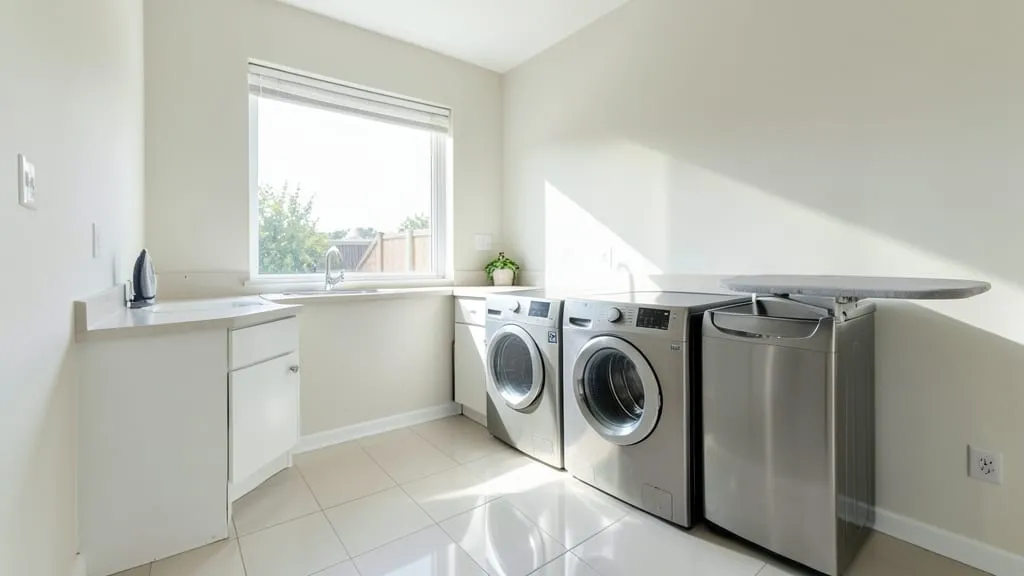
Bathrooms and kitchens see surface mold, but hidden growth thrives behind tile, under sinks, or in cabinetry. Laundry rooms, especially in older Victorville homes, often lack exhaust fans.
Mold Hotspots to Inspect Regularly
- Behind and under sinks in kitchens and bathrooms
- Inside HVAC ducts and around vents
- Along baseboards and window frames
- In attics, especially near roof valleys or chimneys
- Under carpeting or padding in basements and sunrooms
- Within wall cavities after plumbing leaks or storms
How Humidity and Poor Ventilation Accelerate Growth
Victorville’s dry air fools homeowners into underestimating moisture. However, daily activities—cooking, showering, even breathing—add gallons of water vapor indoors.
Without exhaust fans or dehumidifiers, humidity accumulates. In tightly sealed modern homes, this trapped moisture condenses on cool surfaces, feeding mold on drywall, wood, and fabric.
Improperly sized HVAC systems in areas like Apple Valley or Hesperia can fail to dehumidify effectively. Oversized units short-cycle, leaving moisture behind.
A $20 hygrometer can reveal hidden humidity. Keep indoor levels between 30-50%. Anything higher for extended periods risks mold growth.
The Role of Water Intrusion in Mold Proliferation
Even minor leaks in Victorville homes can lead to major mold outbreaks. Roof leaks after rare but intense storms, or plumbing failures in older properties, saturate materials within hours.
Sewer backups or flood damage—common in low-lying areas near the Mojave River—introduce contaminated water, accelerating toxic mold like Stachybotrys.
Slow leaks from pipes in walls or under slabs often go unnoticed until mold becomes visible. In rental properties or HOAs, delayed maintenance compounds the issue.
Preventive Measures for Victorville Homeowners
Seal gaps around windows, doors, and foundation cracks to block moisture. In windy areas like Piñon Hills or Wrightwood, this also reduces dust carrying spores.
Install vapor barriers in crawl spaces and attics. In new construction, ensure proper grading directs water away from the foundation.
Use dehumidifiers in basements and bathrooms, especially during monsoon season. Empty and clean units regularly to prevent them from becoming mold sources themselves.
How to Conduct a Basic Mold Inspection at Home
A thorough walkthrough can uncover hidden mold before it spreads.
- 1Check for Visible Signs
Look for discoloration (black, green, white, or gray spots) on walls, ceilings, and floors. Pay special attention to corners, behind furniture, and under sinks.
- 2Follow Your Nose
Musty odors often lead to hidden mold. Trace smells to their source, even if it means moving storage boxes or inspecting behind appliances.
- 3Inspect High-Risk Areas
Focus on bathrooms, kitchens, laundry rooms, attics, and basements. Use a flashlight to check for water stains or peeling paint, which indicate past or current moisture.
- 4Look for Water Damage
Stains, warping, or bubbling on drywall, wood, or flooring signal past leaks. Even old damage can harbor dormant spores that reactivate with new moisture.
- 5Test Problem Areas
For suspected hidden mold, use a DIY mold test kit. Collect samples from surfaces and air, then send them to a lab for analysis. Compare results to outdoor baseline levels.
- 6Monitor Humidity
Place hygrometers in different rooms. If readings consistently exceed 50%, address ventilation or dehumidification before mold takes hold.
Frequently Asked Questions
Can mold grow in Victorville’s dry climate?
Yes. While the desert is arid, indoor humidity from daily activities, leaks, or poor ventilation creates microenvironments where mold thrives. Even short periods of elevated moisture can trigger growth.
What’s the difference between mold and mildew?
Mildew is a surface fungus that appears as a powdery white or gray substance, typically on plants or bathroom tiles. Mold penetrates materials, appears fuzzy or slimy, and can be black, green, or other colors. Both require moisture but mold poses greater health risks.
How do I know if my Victorville home’s mold is toxic?
Only lab testing can confirm toxic mold species like Stachybotrys. However, any mold producing mycotoxins can harm health. If you see extensive growth or experience symptoms, professional air quality testing is recommended.
Does bleach kill mold?
Bleach kills surface mold on non-porous materials like tile but doesn’t penetrate porous surfaces like drywall or wood. It also doesn’t address the root moisture problem. For deep infestations, remediation by crews using specialized equipment is necessary.
Can mold return after remediation?
Yes, if the underlying moisture issue isn’t resolved. Effective remediation includes fixing leaks, improving ventilation, and controlling humidity. Without these steps, spores can recolonize treated areas.
Are there areas near Victorville more prone to mold?
Yes. Homes in flood-prone zones near the Mojave River, older neighborhoods with aging plumbing, or high-elevation areas like Crestline with frequent condensation are at higher risk. Newer builds in Adelanto or Apple Valley can also suffer if construction shortcuts were taken.